
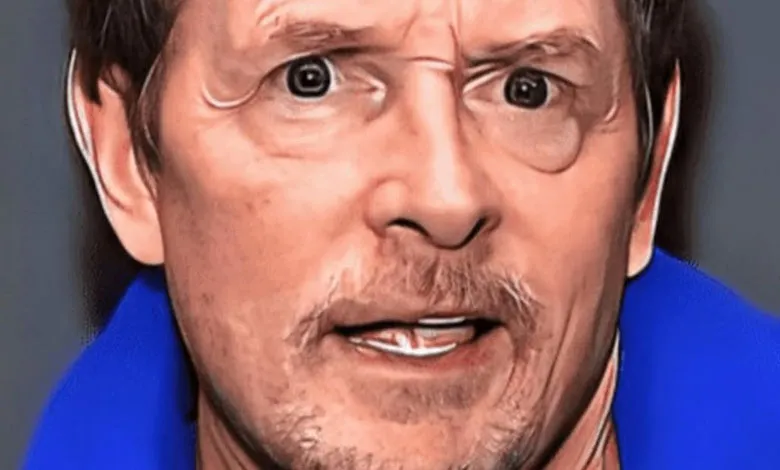
The news surrounding Michael J. Fox has once again stirred a deep wave of emotion, not because of a sudden tragedy, but because it reminds the world of a long, difficult journey that has quietly unfolded over decades. For many, Fox is frozen in time as the quick-witted teenager of Back to the Future, the sharp-tongued lawyer of The Good Wife, or the charismatic star who seemed powered by endless energy. Yet behind those iconic roles has been a reality marked by courage, endurance, and an illness that refuses to be ignored. Parkinson’s disease, diagnosed when he was just 29 years old, has never loosened its grip, and recent reflections from Fox himself have made it clear that the road forward is growing more challenging. The sadness people feel does not come from shock, but from recognition—recognition of how much he has already endured and how human even the strongest heroes truly are.
For years, Michael J. Fox managed to keep his diagnosis private while continuing to work at an extraordinary pace. He hid tremors, adapted his movements, and pushed through exhaustion, determined not to let the disease define him. When he finally went public in 1998, it wasn’t with despair but with resolve. He spoke openly about fear, uncertainty, and the psychological toll of facing a progressive neurological condition at such a young age. Parkinson’s is not a single battle but a series of daily negotiations with one’s own body—balance, speech, sleep, and muscle control slowly become unpredictable. Fox has since acknowledged that falls have become more frequent, recovery more difficult, and simple tasks increasingly demanding. His honesty about these struggles has been sobering, not because it is dramatic, but because it is real.
What makes the recent conversations surrounding Fox especially heavy is his own acknowledgment of mortality. In interviews, he has spoken candidly about not expecting to live to an old age and about how Parkinson’s complications inevitably accumulate. These statements are not cries for sympathy, but reflections from someone who has spent years confronting physical decline with clear eyes. He has described pain, surgeries, broken bones from falls, and the mental fatigue of constant vigilance. Hearing these words from someone who has inspired generations is painful, because it forces the public to let go of the illusion that strength alone can stop time. The sadness lies in witnessing a man who gave so much joy now navigating a reality that offers no easy victories.
Yet even as his condition progresses, Michael J. Fox’s legacy continues to grow in ways far beyond film and television. Through the Michael J. Fox Foundation, he has helped raise over a billion dollars for Parkinson’s research, fundamentally changing the landscape of how the disease is studied and treated. Researchers, patients, and families around the world credit his advocacy with accelerating breakthroughs and giving legitimacy to patient-driven science. Fox transformed his personal struggle into a collective mission, using his fame not to shield himself, but to shine a light where it was desperately needed. That contribution alone has altered countless lives, offering hope where there was once silence.
What makes this moment feel especially emotional is the contrast between who Fox was onscreen and who he has become offscreen—not diminished, but deeply changed. His humor remains intact, his intellect sharp, but his body no longer cooperates the way it once did. He has stepped back from acting, acknowledging that the physical demands now outweigh what he can safely manage. For fans, this feels like a quiet goodbye, not to the man himself, but to an era where he seemed unstoppable. The grief people feel is layered: sadness for his suffering, gratitude for his honesty, and admiration for the dignity with which he continues to face each day.
Michael J. Fox is still here. He is still speaking, advocating, loving his family, and contributing to the world. But the sadness surrounding him is not misplaced—it is the sadness of watching time do what it always does, even to those we wish it wouldn’t touch. His story is no longer just about disease; it is about acceptance, resilience, and the courage to live fully even when the future feels uncertain. And perhaps that is his greatest role yet—not the hero who outruns danger, but the man who stands still, tells the truth, and reminds us that strength is not the absence of struggle, but the willingness to face it openly.