
Whoopi Goldberg is a name that resonates across the landscape of American culture, representing a rare echelon of talent as an EGOT winner—one of the few individuals to have secured an Emmy, Grammy, Oscar, and Tony Award. Throughout her decades-long career, she has transitioned from a groundbreaking stand-up comedian and a powerhouse dramatic actress to a staple of daytime television as the moderator of “The View.” However, with such high-profile visibility comes the unfortunate reality of the modern digital age: the viral spread of health scares, celebrity death hoaxes, and sensationalized “clickbait” headlines. In recent times, various corners of the internet have been ablaze with frantic pleas for fans to “pray for Whoopi,” often accompanied by vague or alarming claims regarding her physical well-being. To understand the gravity of these rumors, one must look at the intersection of her actual medical history and the predatory nature of unverified online reporting.
The origin of many these concerns often stems from a very real and terrifying health crisis Goldberg faced in early 2019. At that time, she vanished from “The View” for several weeks, leaving fans wondering about her sudden absence. When she finally returned via a video message and later in person, she revealed that she had battled a nearly fatal case of pneumonia and sepsis. She described the experience with her trademark bluntness, noting that she was “very, very close to leaving the Earth.” This genuine brush with mortality created a lasting narrative in the public consciousness. Because the public had seen her genuinely vulnerable and fighting for her life, it became much easier for unscrupulous websites and social media bots to recycle those fears years later. Whenever she takes a scheduled week off or misses a single episode of her talk show, the rumor mill begins to churn, often amplifying old footage or fabricating new “critical” conditions to drive traffic to low-quality news portals.
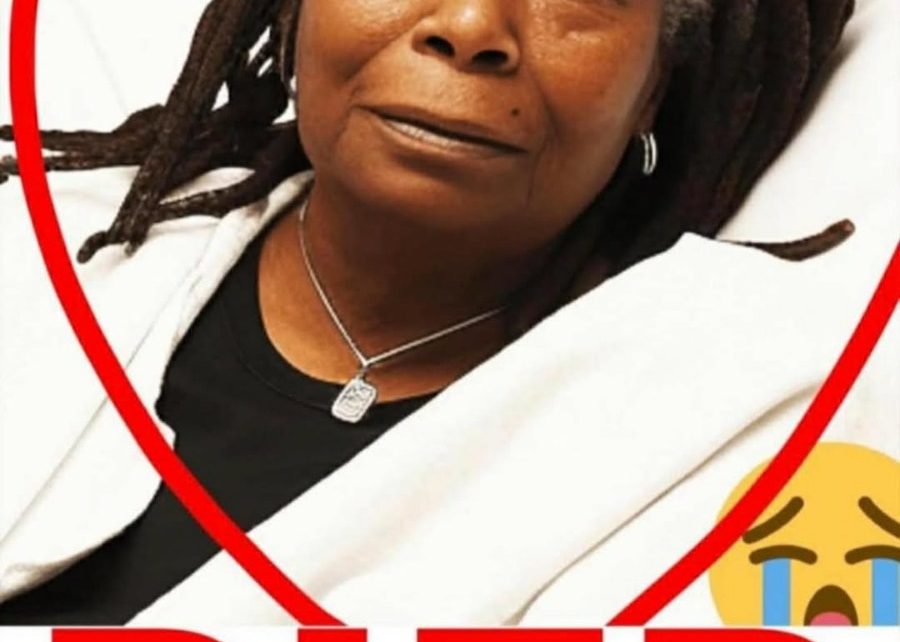
The phenomenon of the “celebrity death hoax” or the “health emergency alert” is a specific brand of digital misinformation designed to trigger an emotional response. When a headline reads “PRAY FOR WHOOPI GOLDBERG!” in all capital letters, it bypasses the logical brain and hits the empathy center of the reader. Fans who have grown up watching her in “The Color Purple” or “Sister Act” feel a personal connection to her, leading them to share the post or click the link without first verifying the source. This ecosystem thrives on ambiguity. Often, these articles will lead with a dramatic image of Goldberg in a hospital bed—frequently a screen grab from a movie or a photo from her 2019 recovery—and then proceed to offer hundreds of words of filler content about her career achievements without ever specifying what the current “emergency” actually is. This is a classic bait-and-switch tactic used to generate advertising revenue at the expense of the subject’s privacy and the public’s peace of mind.
To navigate this landscape, it is essential to rely on established, reputable journalistic institutions. Legitimate news organizations like the Associated Press, Reuters, or major network news divisions have rigorous fact-checking protocols. If a cultural icon of Goldberg’s stature were truly facing a life-threatening respiratory condition or a sudden hospitalization, it would be reported by these outlets with specific details provided by a representative or a family spokesperson. In the absence of such reporting, “breaking news” found on obscure blogs or anonymous Facebook pages should be treated with extreme skepticism. Furthermore, Goldberg herself is known for being remarkably transparent with her audience. If she were undergoing a significant health challenge, history suggests she would likely address it directly on “The View” or through her verified social media channels once she was able.