
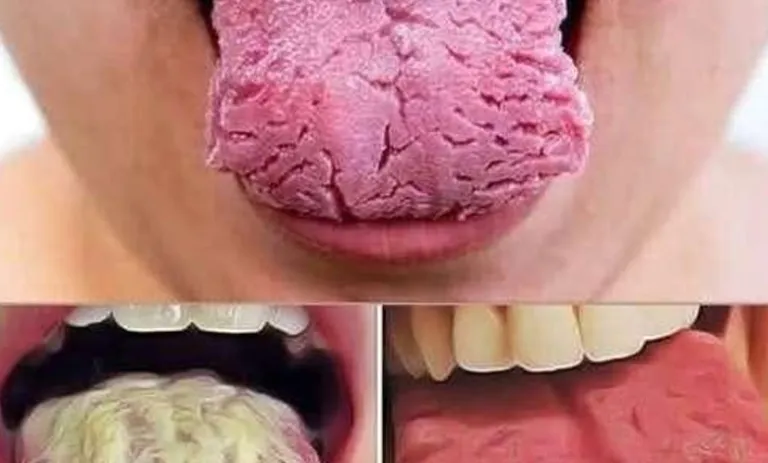
A white-coated tongue can be startling, often raising fears that something serious is wrong. In many cases, it’s harmless—caused by a buildup of dead cells, bacteria, and food particles when brushing is rushed or the tongue is skipped. Dehydration can worsen it by reducing saliva, the mouth’s natural cleanser.
Most mild cases improve with better oral hygiene: gentle tongue cleaning, regular brushing, and staying well hydrated. The coating often appears thicker toward the back of the tongue and fades once these habits improve.
Sometimes, however, a white tongue signals a medical issue. Oral thrush, a fungal infection, creates thick white patches that may bleed when scraped and is often linked to antibiotics, steroid use, diabetes, or a weakened immune system.
More concerning are white patches that don’t scrape off, which may indicate leukoplakia, a condition sometimes linked to tobacco use and, in rare cases, precancerous changes. If the coating persists, causes pain, or changes in appearance, it’s important to see a healthcare professional for evaluation.