 460 views
 I had dreamed of becoming a doctor since I was ten years old.
When my grandmother passed away from a disease that doctors discovered too late, I promised myself that one day I would wear a white coat and help families avoid the same heartbreak.
That promise became my purpose.
I studied while my friends went to parties. I worked evenings at a grocery store to save money for college applications. Every scholarship, every exam, every volunteer shift at the local hospital brought me one step closer.
After years of sacrifice, I finally received an invitation for an interview at one of the best medical schools in the state.
It felt like my entire future depended on that single day.
The only problem was money.
My parents couldn’t afford to buy me a new suit.
Instead, I spent nearly three months saving enough from my part-time job to buy a secondhand navy blazer from a thrift store. It wasn’t expensive, but after having it professionally cleaned and tailored, it looked almost brand new.
I treated it like treasure.
The interview was scheduled for nine o’clock on Monday morning.
On Sunday evening, I ironed my blouse, polished my shoes, and carefully hung the blazer on my bedroom closet.
For the first time in weeks, I felt ready.
Or so I thought.
Around ten that night, I went downstairs to make a cup of tea.
When I returned, a strong chemical smell filled my room.
Bleach.
My heart raced.
I turned on the light.
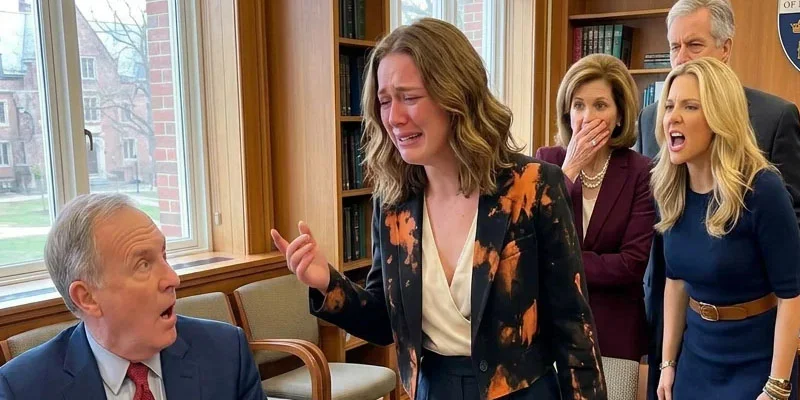
White stains covered my blazer from shoulder to sleeve.
The fabric had faded in large patches.
It was completely ruined.
“No…”
I grabbed it from the hanger, hoping it wasn’t as bad as it looked.
It was worse.
Behind me came a quiet laugh.
I turned around.
My younger sister, Emma, stood in the doorway.
She wasn’t even trying to hide her smile.
“I guess bleach and dark colors don’t mix,” she said.
“What did you do?”
She shrugged.
“It was an accident.”
“It wasn’t!”
Earlier that day she had complained that everyone was asking about my interview instead of her upcoming dance competition.
“You’ve been acting like this interview makes you special,” she said.
Before I could answer, my parents rushed upstairs.
“What is all this yelling?” my father asked.
I held up the destroyed blazer.
“Emma poured bleach on it!”
My mother looked at it for two seconds before sighing.
“It’s just a jacket.”
“It’s my interview tomorrow!”
“Stop being dramatic,” my father said.
“Your sister already said it was an accident.”
Emma lowered her head, pretending to feel guilty.
“I’m sorry…”
I knew that look.
She had fooled them many times before.
But they believed her again.
As usual.
That night I barely slept.
I searched every closet in the house.
Nothing fit.
At five in the morning, I made a decision.
I’d attend the interview anyway.
I wore a simple white shirt with a neat cardigan instead.
Not ideal.
But it was all I had.
When I arrived at the medical school, I immediately noticed the other applicants.
Everyone wore tailored suits.
Expensive shoes.
Designer briefcases.
For a moment I considered turning around.
Then I remembered my grandmother.
I walked inside.
My interview panel consisted of three professors.
One of them smiled kindly.
“I noticed you aren’t wearing a blazer.”
I hesitated.
Should I lie?
Instead, I told the truth.
“My sister accidentally ruined the only one I owned last night. I couldn’t afford another.”
The room fell silent.
Then the oldest professor nodded.
“Thank you for your honesty.”
The interview continued.
They asked difficult questions about ethics, teamwork, and patient care.
Instead of trying to impress them with perfect answers, I spoke from the heart.
When they asked why I wanted to become a doctor, I told them about my grandmother.
By the end, all three interviewers were smiling.
Two weeks later, an envelope arrived.
I couldn’t bring myself to open it.
My hands were shaking.
My mother barely looked up from her phone.
“Whatever it says, life goes on.”
I opened it.
Congratulations.
I had been accepted.
Not only that—
I had received a full scholarship.
I burst into tears.
Three days later, something unexpected happened.
One of the professors from the interview called me.
“We admired your honesty,” she said.
“After you left, we discussed your story.”
She paused.
“We’ve created an emergency clothing fund for future applicants who can’t afford professional interview attire.”
I couldn’t speak.
She continued.
“You inspired it.”
Months passed.
Medical school was difficult, but I loved every minute of it.
One afternoon I received another surprise.
The local newspaper wanted to interview students who had overcome financial hardship.
They featured my story on the front page.
Within days, strangers began donating interview clothes to community centers.
Professionals offered free mentoring sessions.
A local tailor even volunteered to alter suits for students at no charge.
What started as one ruined blazer became an opportunity for hundreds of students.
At home, things changed too.
My parents read every article.
For the first time, they realized how deeply their favoritism had hurt me.
One evening my father quietly knocked on my apartment door.
He looked older.
“I’m sorry,” he said.
“I should have listened.”
My mother apologized as well.
Even Emma admitted years later that ruining the blazer hadn’t been an accident.
She had been jealous.
Hearing those words didn’t erase the pain.
But it gave me peace.
Years later, on the day I graduated from medical school, I walked across the stage wearing my white coat.
As I accepted my diploma, I remembered the ruined blazer that had once felt like the end of my dream.
It wasn’t.
Sometimes the biggest obstacles become the very reason we succeed.
If my sister hadn’t destroyed that blazer, I might never have told my story.
And if I had never told my story, hundreds of other students might never have received the help they needed.
Looking back, I realized something I often tell my own patients today: