
 208 views
 When skin symptoms appear together with breathing difficulties, the situation can quickly become a medical emergency that should never be ignored.
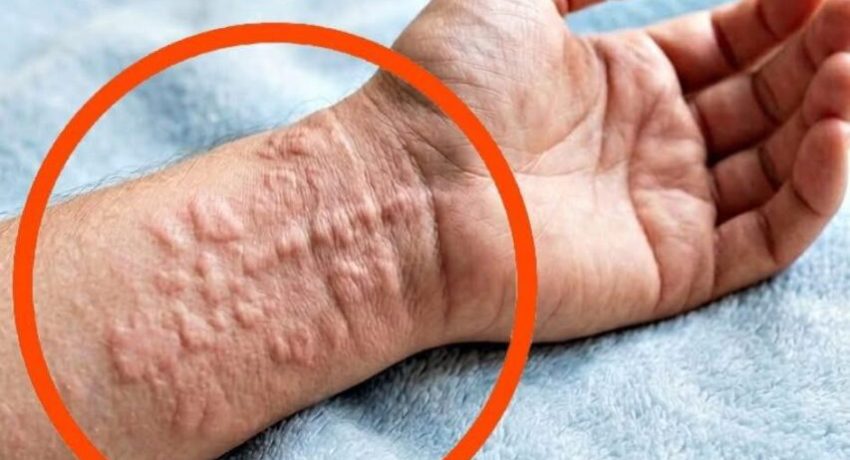
One of the most common warning signs is hives, also known as urticaria. These raised, red welts can suddenly spread across the skin, often causing intense itching or swelling. On their own, hives are usually not dangerous. However, when they occur alongside symptoms affecting breathing or circulation, they may be part of anaphylaxis — a severe allergic reaction that can become life-threatening within minutes.
Anaphylaxis affects the entire body, not just the skin. Airways can begin to swell, blood pressure can drop suddenly, and the body may struggle to get enough oxygen. Without fast treatment, the reaction can rapidly worsen.
There are several key symptoms that should immediately raise concern if hives are present.
Warning signs include:
Difficulty breathing or shortness of breath
Tightness in the chest or throat
Swelling of the lips, tongue, face, or throat
A rapid or irregular heartbeat
Dizziness, confusion, fainting, or loss of consciousness
In some cases, people may also experience nausea, vomiting, or a sudden sense of panic before the reaction intensifies.
These reactions can be triggered by many different allergens. Common causes include foods such as peanuts, shellfish, milk, or eggs. Certain medications, insect stings, latex, and environmental triggers can also lead to severe allergic responses.
What makes anaphylaxis especially frightening is that it does not always happen to people with known allergies. Some individuals experience a severe reaction for the very first time without any prior warning signs.
That unpredictability is why doctors stress the importance of acting quickly.
Timing can make the difference between recovery and a life-threatening crisis. A rash that initially appears mild may rapidly progress into airway obstruction or shock if treatment is delayed.
If someone develops hives together with breathing problems, emergency action should be taken immediately.
Medical experts recommend:
Calling emergency services right away
Using an epinephrine auto-injector if one is available
Keeping the person calm and monitored until medical help arrives
Even if symptoms appear to improve after using epinephrine, emergency evaluation is still necessary because reactions can return unexpectedly.
Many people hesitate because they worry they might be overreacting. But when breathing problems and hives happen together, it is always safer to treat the situation seriously.
A rash alone may not seem alarming.
But a rash combined with trouble breathing is the body’s way of signaling that something far more dangerous could be happening beneath the surface.