 1,210 views
President Donald Trump has also spoken about his desire to seek the presidency again, despite the constitutional limits that stand in his way.
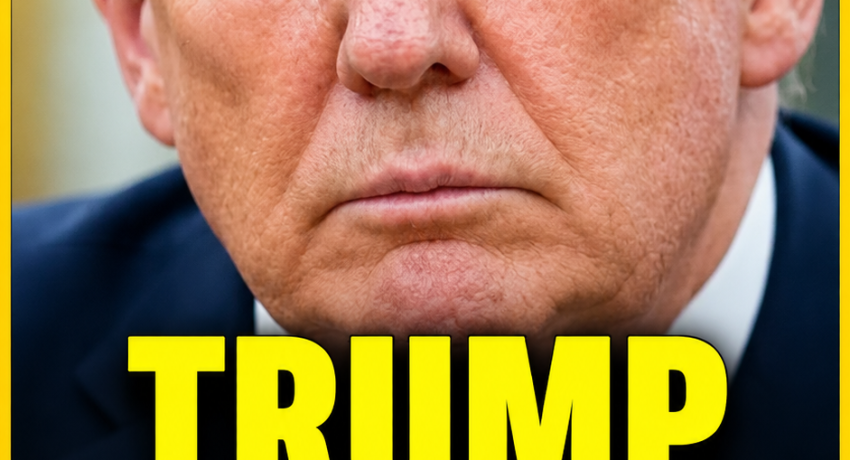
US President Donald Trump has said he would make repeated use of his presidential veto authority if Democrats take control of Congress in Tuesday’s midterm elections.
The president indicated that he could spend a month or two rejecting legislation before trying to negotiate agreements with Democratic lawmakers.
Trump made these comments in a preview of his podcast interview with Miranda Devine of the New York Post.
“I guess I’ll become Mr. Veto,” Trump remarked. “I’m not going to let them ruin it.”
He explained that he believes this strategy could eventually encourage both parties to sit down and negotiate.
“They’ll be sending stuff up. You veto it,” he said. “Eventually, after a month or two of getting all vetoed – you know, it’s waste – they come over and make a deal.”
His statements were part of a wider conversation about how he might approach lawmaking if control of Congress shifts. Trump described a strategy in which legislation introduced by a Democratic majority would repeatedly face presidential vetoes. According to his explanation, this could continue for several weeks until the growing number of rejected bills encourages lawmakers to return to negotiations. He portrayed the presidential veto as a way to influence the legislative process and eventually create opportunities for compromise.
Trump’s plan if Democrats win control of Congress
Trump’s remarks suggest how he might respond if Republicans lose control of either chamber of Congress.
Democrats would need to gain three seats to take control of the House of Representatives, while the Senate elections are also attracting considerable attention.
Most polls referenced in the reports indicate that Democrats have a strong chance of securing the gains required to win the House.
Seven Senate contests are currently being decided by narrow margins. However, Republican strategists maintain that their internal polling presents a more competitive outlook, with several races still viewed as toss-ups or potentially winnable.
Trump has continued his campaign activities in traditionally Republican states, with rallies planned in Kansas and Iowa on Sunday.
At campaign events, Donald Trump has portrayed the United States as having the “greatest economy in history” and claimed that opinion polls fail to accurately reflect the level of Republican support.
He also expressed his hope that the situation requiring repeated vetoes would never arise.
“Hopefully we don’t have to worry about that,” he said.
The midterm election environment remains highly competitive as Republicans and Democrats work to secure control of Congress. Trump’s campaign itinerary includes visits to states that have regularly backed Republican candidates in recent election cycles. His public appearances have focused on promoting economic performance and questioning the accuracy of polling figures. Meanwhile, he has made it clear that he would prefer not to face circumstances requiring him to repeatedly reject legislation. His campaign activities, economic claims, and comments about veto power all highlight the importance of the midterm results to his approach toward the next legislative session.
How many bills has Trump vetoed as president?
Trump has rejected two bills through presidential vetoes during his second term, compared with 10 vetoes throughout his first term in the White House.
If Democrats gain control of the House, they could launch investigations involving Trump, his administration, and individuals within his close circle. Democratic lawmakers have stated that they intend to increase scrutiny of the president and his associates if they regain a majority.
Democrats held control of the House during the final two years of Trump’s first presidency, while Republicans maintained their majority in the Senate.
This division of congressional power made it more difficult for legislation supported by Democrats to make its way to the president’s desk.
Trump’s previous veto record offers a useful comparison for understanding his latest comments. During his earlier presidency, the divided Congress restricted the number of proposals that successfully advanced to the White House. His suggestion that he could become “Mr. Veto” refers to that earlier experience while describing how he might respond to another period of divided government. The possibility of increased congressional investigations is another issue Democrats have publicly raised as part of their plans if they secure control of the House. Together, these developments provide the background to Trump’s stated willingness to exercise his presidential veto authority.
The interview also addressed Trump’s political ambitions after his current presidential term ends. He revealed that he would welcome another opportunity to run for president, although he acknowledged the constitutional limitation.
“I’d love to run again if I had the chance, but the language is very exacting,” he said, referring to the 22nd Amendment, which prevents anyone from being elected president more than twice.
Trump also pointed out that he believes he still has considerable time remaining in his current administration.
“We have more than two years left. That’s a long time.”
The 22nd Amendment establishes a specific constitutional restriction on how many times an individual can be elected president. Trump’s comments connect his interest in seeking another term with the legal language that limits presidential eligibility. He also emphasized that a substantial portion of his current term remains, providing time to continue his work in office. His discussion of presidential vetoes, the upcoming midterm elections, and the possibility of another presidential campaign brings together several important political issues. Each concerns a different stage of the political timeline, from the immediate congressional elections to the remaining years of his current administration.
The complete interview with Miranda Devine discusses these subjects one after another. Trump’s explanation of his potential veto strategy begins with legislation arriving from Congress and describes how repeated presidential rejections could eventually lead to negotiations. His comments about the midterm elections cover projected seat gains as well as his planned campaign appearances. The discussion then turns to his future political ambitions, where he refers to the constitutional wording and the amount of time remaining in his current term. Taken together, his remarks provide a broader picture of how he views election results, the legislative process, and the constitutional rules governing presidential service.