If Someone Has Visible Veins, Does It Mean Their Circulation Is Poor?
Visible veins can sometimes catch people’s attention and lead to concerns about health, especially circulation. Many individuals notice veins on their hands, arms, legs, or feet and wonder whether this is a warning sign of a medical problem. In reality, visible veins are usually normal and often harmless, and they do not necessarily indicate poor circulation. Understanding why veins become more noticeable can help reduce unnecessary worry and help you recognize when medical attention might actually be needed.
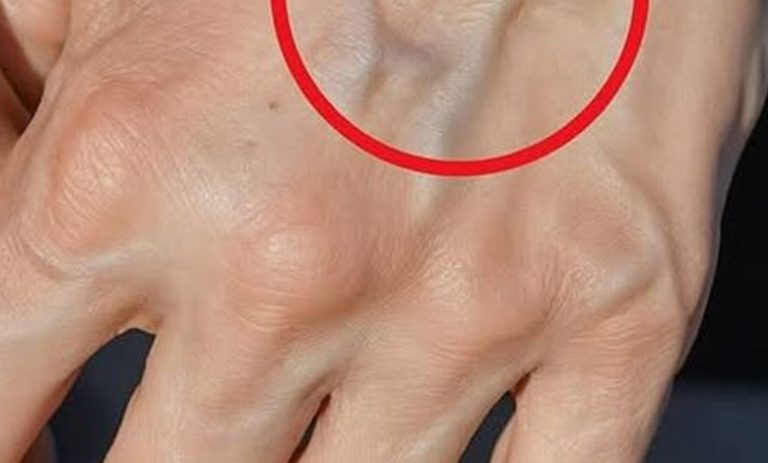
Veins carry blood back to the heart after oxygen has been delivered throughout the body. In many people, veins on areas such as the hands, arms, and legs can become noticeable beneath the skin. This is usually normal and influenced by several common factors.
Low Body Fat: When body fat is lower, there is less tissue covering the veins, making them easier to see. This is common among athletes and physically fit individuals.
Genetics: Some people naturally have thinner or more transparent skin, which allows veins to show more clearly.
Physical Activity: Exercise increases blood flow and causes veins to expand temporarily, making them appear more prominent during or after workouts.
Aging: As skin becomes thinner and less elastic with age, veins may become more visible, especially on the hands and legs.
Body Temperature: Heat causes blood vessels to widen, which can make veins stand out more under the skin.
Overall, visible veins are usually a normal physical trait rather than a sign of a health problem.
Do Visible Veins Indicate Poor Circulation?
In most cases, visible veins do not indicate poor circulation. In fact, they can be a sign that blood is moving efficiently through the body. Good circulation ensures that oxygen and nutrients reach tissues while waste products are carried away.
Poor circulation typically produces symptoms such as numbness, cold extremities, swelling, or pain rather than simply visible veins.
When Visible Veins May Be a Medical Concern
Although visible veins are usually harmless, there are certain situations where they may signal an underlying vein condition.
Varicose Veins
Varicose veins are enlarged, twisted veins that commonly appear in the legs. They occur when valves inside the veins weaken, allowing blood to pool instead of flowing properly back toward the heart. Symptoms may include aching, heaviness, swelling, or itching around the veins.
Chronic Venous Insufficiency
This condition occurs when the veins have difficulty sending blood from the limbs back to the heart. Over time, this can cause swelling, skin discoloration, or discomfort in the legs.
In these situations, the veins may appear bulging, twisted, or painful, which is different from simply being visible under the skin.
Signs of Poor Circulation to Watch For
If circulation problems are present, other symptoms usually appear alongside changes in veins. Some warning signs include:
Persistent swelling in the legs or feet
Numbness or tingling sensations
Cold hands or feet
Muscle cramps during activity
Skin discoloration or slow-healing wounds
Fatigue or heaviness in the limbs
If these symptoms occur regularly, it may be wise to consult a healthcare professional for evaluation.
Many diseases stem from poor circulation. Poor circulation can even lead to d:eath.
Causes of poor circulationSimilarly, poor circulation can cause many health problems. Therefore, I will present several home remedies to improve it quickly and naturally.
The signs of poor circulation take time to appear; so, if you have already been diagnosed with this condition, it’s a good idea to follow the advice I will present below.
Natural remedies for poor circulation
Drink plenty of water: Drink at least 8 glasses of water a day. If you are doing any physical activity, you should drink at least 8 glasses of water a day to avoid dehydration.
Cayenne pepper: This strengthens the heart and arteries. This effect is due to the high concentration of capsaicin in cayenne pepper. If you have plaque buildup in your blood vessels, it can also help eliminate it.
Ginkgo biloba: This plant helps improve memory by increasing blood flow to the brain. Taking it in capsule form can be beneficial for varicose veins.
Horse chestnut: It strengthens capillary walls thanks to its properties. It also reduces inflammation of varicose veins and improves overall circulation.
Garlic: It helps reduce blood pressure and plaque buildup in blood vessels, thus helping to prevent atherosclerosis.
Fish oil: It reduces arterial fat thanks to its high omega-3 content and increases good cholesterol.
Essential oils: They improve blood flow thanks to their thermogenic properties. They also help relax muscles.
Ginger: Ginger contains gingerol and zingerone; These are compounds that prevent the formation of blood clots and cardiovascular diseases.